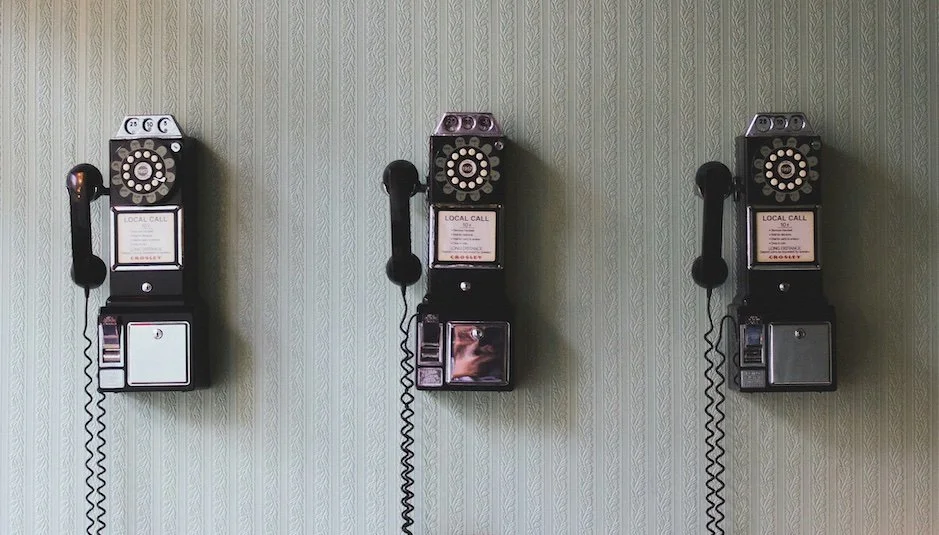
Photo by Pavan Trikutam on Unsplash
When I was an undergraduate student, I loved working in research labs. I loved the work because after some one-on-one training, it was, for the most part, something I did on my own. My graduate student mentors would teach me about experimental design, and then I would go work out the counterbalancing by hand on paper, or maybe in an Excel sheet (showing my age here). They would teach me the basics of Photoshop so then I could go spend hours in a small room editing photos to create believable manipulations in those photos. They would teach me how to recruit and run participants, so I could do that on my own time. And so on. Obviously, there were lab meetings and discussions of papers, but my overall experience led me to believe a career in science meant the bulk of my time would be spent reading, conducting experiments, and analysing data. Perfect for an introvert. I didn’t understand how much of science is devoted to communication: writing, presenting results in meetings large and small, speaking with peers at conferences, pitching to donors, etc. If I had fully appreciated this reality back then, I likely wouldn’t have continued on this path. I would have been too afraid.
I was never a good writer growing up. My command of the English language was so bad that the results of my university placement and proficiency exams recommended that I take some remedial English courses. By contrast, I aced the math portion and ended up in a university honours math stream for a while. A similar pattern happened with my GREs: I did quite well on the quantitative/analytical sections, but tanked the verbal. My combined score was just enough to make the cut for grad school. In grad school and beyond, my struggles with writing continued. As I’ve written about before, my graduate supervisor would say, “Jen, no one is in your head but you. Help a reader out.” My graduate program was in cognitive psychology, and the other faculty mentors were deep experts in the cognition of language. Their writing was precise,reflecting the precision in their thoughts. My thoughts were more like vibes, and my writing was like an abstract painting.
Much like my experience with writing, I had previously avoided public speaking whenever possible. In high school, all of my friends took speech and debate classes. I took art. But, my grad school program was as rigorous with respect to their training in public speaking as they were with writing. There was no avoiding it: there were presentations in classes, in lab meetings, and in brown bag lunch seminars for the department. By your second year in grad school, you were expected to confidently hold down an hour-long presentation on your work in front of peers and faculty alike. And they didn’t go easy on you. Words had to be delivered with precision, lest someone take an alternate meaning that you hadn’t intended.
All in all, and despite my struggles, while I learned so much about science in graduate school, I also ended up learning a lot about the art of communication. Perhaps more importantly, I learned that science and communication are essentially two sides of the same coin. To generate new ideas or to solve problems effectively, you have to first be able to integrate ideas from communications that have previously been delivered by others. For your own science to have an impact, you will need to be able to communicate it well, and to a variety of different audiences, for a range of different reasons. How you communicate your science depends on your audience and your purpose. Effective communicators learn to express themselves through multiple channels and methods.
So, for the next few weeks, we’ll dig into communication, from writing articles and grants to giving presentations to speaking with donors to parsing what students and colleagues are really saying to managing up, down, and laterally. In the meantime, if you are struggling with your own ways of communicating and would like some guidance, reach out here and we’ll chat it over.
Next week: A few things to consider before communicating